"The land doesn't care about your spreadsheet.But your spreadsheet better understand the land."
James R. Caldwell
Founder & Principal · Yield Consulting · 30 Years · 4.2M Acres Under Advisory

Working Land
Kansas Winter Wheat · 12,400 acres
We just inherited the operation — where do we even start?
Asked in 38% of first discovery calls. Usually by the second-generation heir who's been handed keys to 4,000 acres and a filing cabinet of handshake agreements.
The gap between what the land produces and what it should produce is almost always larger than the family expects.
The first ninety days aren't about changing anything. They're about reading. We embed an analyst alongside your existing operation manager — invisible, observational — cataloguing every input contract, every lease agreement, every verbal arrangement that's never been written down.
What we're looking for: the delta between what the land is producing and what it should be producing given its soil classification, water access, and current commodity markets. That gap is your first margin opportunity, and it's almost always larger than the family expects.
By day thirty, you'll have a baseline document — what we call the Operations Inventory — that most families have never seen in one place. By day sixty, we've ranked every revenue stream and cost center by improvement potential. By day ninety, you have a twelve-month roadmap that respects the rhythm of the land while beginning to install the financial discipline of a professional operation.
The inheritance isn't the complexity. The complexity is the undocumented institutional knowledge that lived in your grandfather's head. Our job is to extract it, systematize it, and give it to you in a form that a lender, a partner, or your own children can read thirty years from now.
Margin note: Operations Inventory delivered in 30 days

Field Reference
Nebraska row crop operation · 4,800 acres · Family succession engagement
01
How do you audit an ag portfolio without disrupting the current manager?
The question private equity groups ask before their first call ends. They've acquired the acreage. They haven't acquired the trust of the person running it.
The current manager is the most valuable asset you didn't pay for. Disrupting them is a category error.
The current manager is the most valuable asset you didn't pay for. They know where the drainage issues are, which neighbors lease back at below-market rates, and why that one field in the northwest corner has underperformed for six straight seasons. Disrupting them is a category error.
Our audit protocol is built around accompaniment, not inspection. We arrive as analysts supporting the manager — helping them build the documentation infrastructure that protects their institutional knowledge and, frankly, their job security. The implicit message: we're here to make your operation more legible to your new owners, not to replace you.
Within that framework, we're running a parallel financial analysis. Every input contract against current spot pricing. Every lease rate against county FSA data. Every equipment line against replacement cost and utilization rate. We build what we call a Portfolio Legibility Report — a document that tells a capital allocator exactly what they own, what it's worth producing at optimal management, and the gap between current and optimal.
The manager sees the operational version. The board sees the financial version. Both versions are true. Neither version creates a crisis.
Margin note: Dual-track reporting: operational + financial
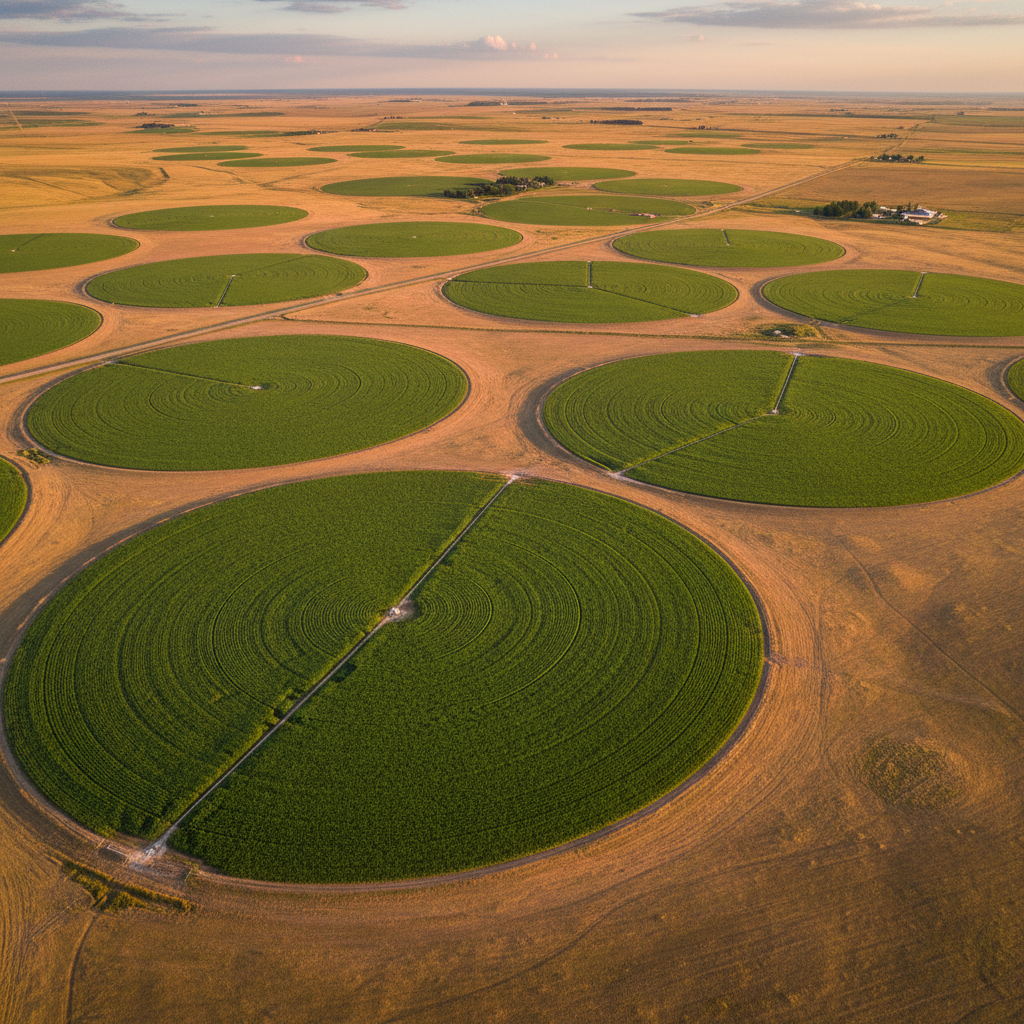
Field Reference
Iowa corn portfolio · 61,200 acres · Institutional acquisition audit
02
What does a succession plan actually look like on paper?
Co-op boards and ranch families both ask this. The co-op is worried about their retiring GM. The ranch family is worried about three siblings with three different opinions about what the land is for.
Most succession plans fail because the underlying question — what is this operation for — was never answered explicitly.
Most succession plans fail not because of legal or financial complexity, but because the underlying question — what is this operation for — was never answered explicitly. Is it a financial asset to be optimized? A family legacy to be preserved? A combination of both with explicit rules for when each priority governs?
Our Succession Planning Framework starts there. We facilitate a structured conversation — usually across two or three working sessions — that produces a written Operating Philosophy document. Not a mission statement. A decision tree. When commodity prices fall thirty percent, do you sell acres or take on debt? When a sibling wants out, is there a buyout formula or a first-right-of-refusal to the remaining family?
From that foundation, we build the technical documents: the entity structure recommendation, the management succession timeline, the key-person insurance analysis, the next-generation training schedule. Each document is written in plain language that a family member who didn't go to law school can read and agree to.
The framework is designed to be reviewed annually and updated every five years, because the land doesn't stay the same and neither do the people who depend on it.
Margin note: Operating Philosophy document included in every engagement

Field Reference
Montana wheat operation · Three-generation succession · $28M asset transfer
03
Succession Planning Framework
The 47-page document we hand every family operation on day one. Covers entity structure, operating philosophy, buyout formulas, and the twelve questions you need to answer before the land changes hands.
What's inside
- Operating Philosophy worksheet
- Entity structure decision tree
- Buyout formula templates
- Next-generation training schedule
- 12 succession questions (with answers)